
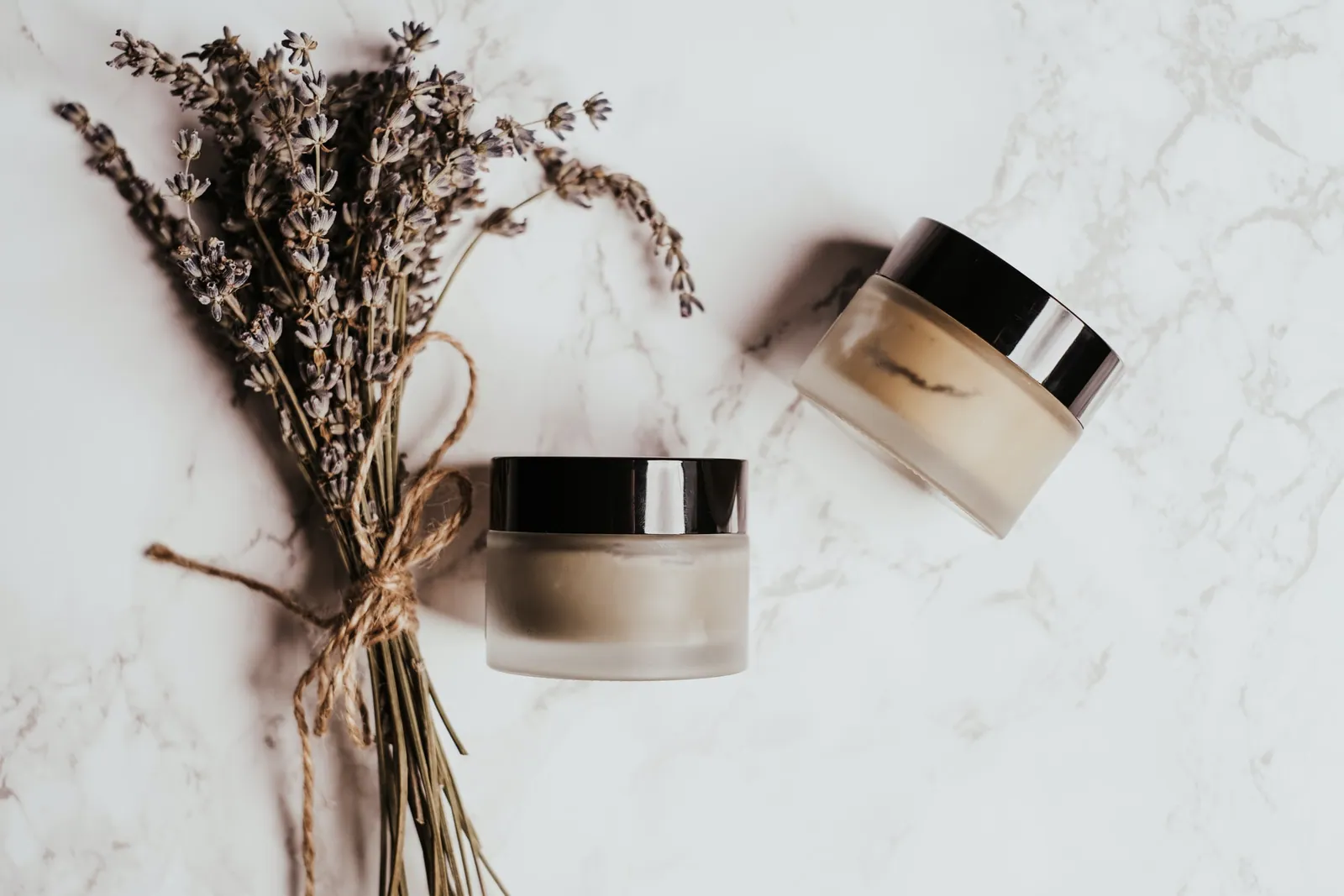
It’s not enough to have a great product—to succeed in the skincare industry, beauty entrepreneurs need to invest much of their attention in defining their audience and understanding its unique needs.
Consumers are looking to connect and to identify with a brand. It’s not enough to have a great product—to succeed with marketing, beauty entrepreneurs need to invest much of their attention in defining their audience and understanding its unique needs.
CREATE A SKINCARE APP
Get Started, there’s still room in the crowded skincare industry
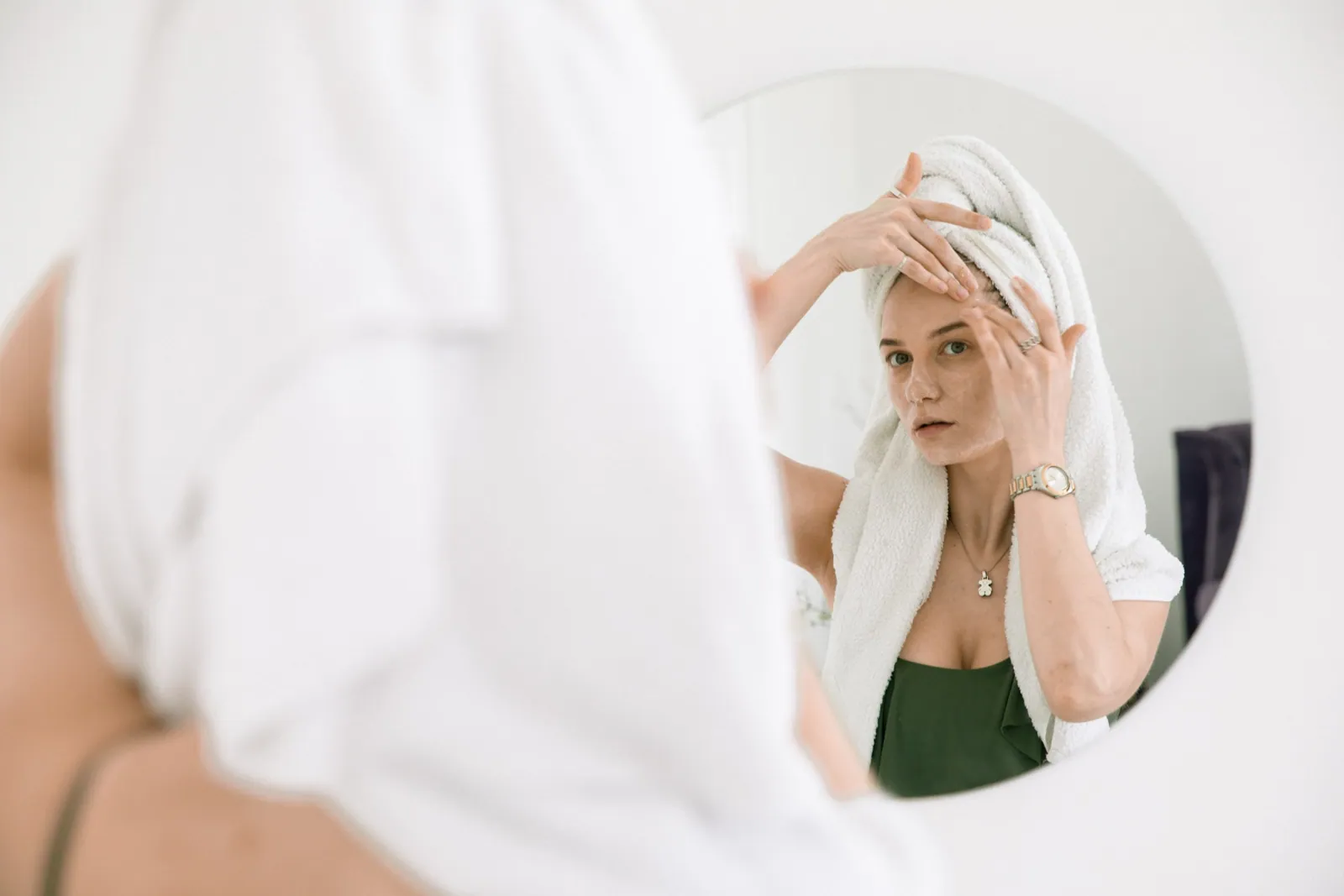
The global skincare industry is expected to be valued at $183 billion by 2025. Much of the growth in the past few years can be attributed to independent brands. The traditional brands—Estée Lauder, L’Oréal—are not growing. Indie beauty and clean beauty are carrying the entire beauty industry’s growth. And the legacy brands are reacting, snatching up smaller companies to keep their footing.
The constantly evolving skincare landscape, like the current trends toward hybrid beauty (products that are combination cosmetic and skincare), cannabis-based products, and clean beauty mean that there are still opportunities for newcomers to start skincare lines. “There’s this really big shift in how people are spending their money as Gen Z comes of age. The beauty market is really crowded right now, but there’s still a lot of room for innovation.
Expand on your skincare niche
Following beauty publications and influencers will help you spot trends as they emerge, but beware of fleeting trends and ensure you have a sustainable plan. While the product development cycle has sped up in recent years, it can’t always keep up with flash-in-the-pan trends. “You're already four months behind. By the time you actually hit the market, that trend might be over.
Where newbie skincare founders can win is in identifying audiences underserved by the current brands on the market. There’s no more clear example of this than in the cosmetics industry, where indie brands led the charge on inclusive cosmetics for a wide range of skin tones.
Innovation, versus a bandwagon approach, is how indie brands can avoid these pitfalls. Whereas legacy brands are casting a wide net, independent brands have the ability to get close to a niche audience or tackle a specific problem—and problems change less frequently than trends. If you do want to go wide or stick to basics in terms of formulation or product type, you can lean on a strong philosophy and brand story to connect with your audience.
Embrace the unexpected
Before you even consider product, decide what you stand for. You can develop your brand and grow an audience well before you manufacture products or launch an online store. This period will let you get to know your audience, gather feedback, and build trust. Use this time to also hone your brand story and generate hype around your upcoming launch. Investing in knowing your market may uncover other niches you didn’t consider.
Get hands involved with skincare product formulation and manufacturing
There are a few methods for formulating products: making products by hand at home, renting a dedicated manufacturing space, working with a lab to create custom products, or taking a private label approach with a beauty manufacturer.
Simple formulations like facial oils can be made from home. However, to manufacture cosmetics in the US, you’ll need to follow FDA guidelines for ventilation, air control, and surfaces. While your manufacturing processes should adhere to FDA standards, there is quite a bit of flexibility for businesses that manufacture in spurts.
Experimenting with formulations yourself will help you understand the properties you’re looking for in a formulation—consistency, appearance, scent—positioning you for informed conversations with your manufacturer.
Develop a relationship with your skincare manufacturer
It’s important to negotiate all of your quality control points and to be really upfront about what you expect. But at some point, you do need to trust the manufacturer to do their job. “You can’t argue about every little point.
Product testing
Experienced labs are an asset to industry newbies. Manufacturing in North America can be more expensive, but the upside is the access to the factories and the ability to be hands-on with the testing process.
navigate safety and labelling laws in skincare
Like starting a food business, launching in the skincare industry carries risk—you are making products that could potentially harm people. It’s important to educate yourself on preservatives, shelf life, allergens, and proper storage and handling of skincare products. And to research labs carefully so you know you’re working with a partner that is knowledgeable in these areas.
Labelling laws
Labelling requirements can be daunting for those starting a skincare line from scratch—and each country or region will have their own rules.
A reputable lab can help you ensure that your packaging meets standards, but ultimately the responsibility is yours. “No one’s checking for you, you should do your due diligence and make sure that you’re following the FDA labeling laws.” Or, talk to a lawyer.
Product shelf life
Customers often expect products labeled “natural” or “organic” will be free of chemical preservatives. However, omitting preservatives can greatly impact stability.
Skincare product stability and safety
While it’s possible to dabble in skincare from your own home, there are limitations.
Reputable labs will put ingredients and formulations through rigorous testing to ensure that they’re free from yeast, mold, bacteria, and fungus during a product’s shelf life and use.
Build trust with your customers
The beauty customer, faced with conflicting information and overwhelming choices, tends to be discerning and naturally skeptical. Building trust with your audience is the key to forming long-term relationships and securing repeat business.
Under the Fair Packaging and Labelling Act, the FDA requires manufacturers to list every ingredient in its products. Explain the science behind the ingredients and how each is necessary to the formulation.
Leverage your brand
Marketing is one of the biggest challenges for many new founders. And because it’s competitive and constantly evolving, skincare is an industry that requires consistent attention to this aspect of the business.
Whether or not you decide to tie your personal brand to your business, you should still use your homegrown status to make your brand human. Engage in comments and conversations, feature real people like your customers or emerging influencers in your content, and stay open to feedback.
Next Steps:
If you’re just getting started, you can experiment with basic skincare formulations on your own to get a feel for the color, consistency, and scent. Some skincare can be made from home, but more complicated formulations containing water or emulsions require a manufacturing partner to address safety concerns. Depending on your business idea, you can develop a custom formulation with a manufacturing partner.
Ready to create your skincare App with Appily App Builder?
GET STARTED