Starting your own app builder business can feel like a big leap. But what if I told you that you could launch your own branded app-building service and land your first clients in just a few days? It’s not only possible, but it’s also a smart way to tap into the growing demand for mobile apps without needing to code everything from scratch.
Let me walk you through how to get started, what tools to use, and how to attract your first customers quickly. You’ll see that with the right approach, you can build a thriving business that helps others create apps while building your own brand.
Why Start an App Builder Business Now
Mobile apps are everywhere. Businesses of all sizes want apps to connect with customers, improve services, and boost sales. But many don’t have the time or skills to build apps themselves. That’s where you come in.
By offering app-building services under your own brand, you become the go-to expert who makes app creation easy and affordable. You don’t need to be a developer. Instead, you use app builder platforms that let you design and launch apps quickly.
Advantages of Starting an App Builder Business
This business model has several advantages:
Low startup costs: No need to hire developers or invest in complex software.
Fast turnaround: Build apps in days, not months.
Recurring revenue: Offer ongoing support, updates, or hosting.
Scalable: Serve multiple clients without much extra effort.
The key is to pick the right tools and market yourself effectively. Let’s explore how.
Choosing the Right App Builder Platform for Your Brand
Not all app builders are created equal. Some are designed for DIY users, while others let you white-label the platform and sell apps under your own brand. For your business, you want a platform that offers:
White-label options so your brand is front and center.
Easy drag-and-drop design to speed up app creation.
Support for multiple app types like business, e-commerce, or events.
Affordable pricing that lets you keep a healthy margin.
Reliable hosting and updates so your clients get a smooth experience.
One great example is Appily App Builder, a no-code app builder that offers white-label solutions. You can create apps for clients, brand the platform as your own, and even manage multiple apps from one dashboard, all for only $85/Month.
Another option is BuildFire, which provides a powerful app builder with customization and white-labeling features. It’s user-friendly and supports a wide range of app functions.
Both platforms let you focus on selling and building apps without worrying about the technical backend.
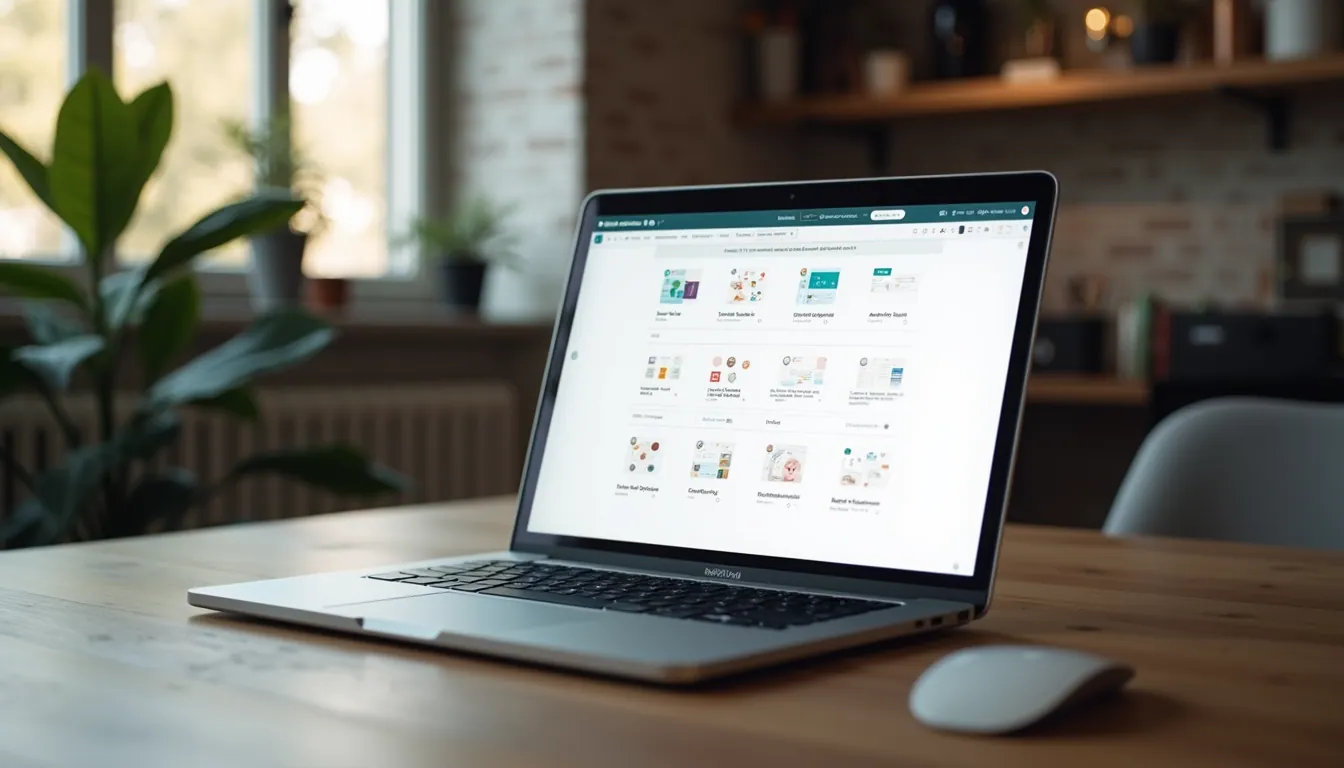
An easy-to-use app builder interface helps you create apps quickly and professionally.
How to Build Your First App for a Client
Once you have your platform, the next step is to create your first app. Here’s a simple process to follow:
Identify a niche: Focus on a specific industry like restaurants, fitness studios, or local shops. This helps you tailor your pitch and app features.
Understand client needs: Talk to your client about what they want in their app. Common features include menus, booking systems, push notifications, and loyalty programs.
Use templates: Most app builders offer templates for different industries. Start with one to save time.
Customize branding: Add your client’s logo, colors, and content to make the app feel unique.
Test the app: Preview it on different devices to ensure it works smoothly.
Publish and submit: Help your client publish the app on app stores or provide a web app link.
For example, if you’re working with a local cafe, you might build an app with a digital menu, order-ahead feature, and loyalty rewards. This adds real value and makes it easier to sell your service.
How to Get Your First Clients This Week
Landing your first clients fast is all about reaching the right people and showing them the benefits clearly. Here are some strategies that work:
Leverage your network: Reach out to friends, family, or local businesses you know. Offer a special deal for your first few clients.
Attend local events: Visit business meetups or community groups and introduce your service.
Use online platforms: Post your offer on local Facebook groups, LinkedIn, or community forums.
Create a simple website: Showcase your app builder service, examples, and pricing.
Offer a free demo: Build a sample app for a potential client to show what you can do.
Ask for referrals: Once you have one client, ask them to recommend you to others.
Remember, many small businesses want apps but don’t know where to start. Your job is to make it easy and affordable.

Showing a live app to potential clients helps them see the value of your service.
Pricing Your App Builder Services
Setting the right price is important. You want to cover your costs, make a profit, and stay competitive. Here’s a simple pricing approach:
Setup fee: Charge a one-time fee for building the app. This can range from $500 to $2,000 depending on complexity.
Monthly fee: Charge a monthly fee for hosting, updates, and support. This could be $30 to $100 per month.
Add-ons: Offer extra features like push notifications, analytics, or custom integrations for additional fees.
Make sure your pricing is clear and easy to understand. Clients appreciate transparency.
How to Scale Your App Builder Business
After you get your first clients, you can grow your business by:
Automating processes: Use templates and workflows to build apps faster.
Hiring help: Bring in designers or marketers to expand your reach.
Expanding niches: Try new industries or app types.
Offering training: Teach clients how to update their apps themselves.
Building partnerships: Work with marketing agencies or web designers who can refer clients.
Scaling means working smarter, not harder.

Planning and organizing your workflow helps you grow your app builder business efficiently.
Conclusion: Your Path to Success in the App Builder Business
Starting your own app builder business with your own brand is a smart way to enter the mobile app market. By choosing the right platform like Appily App Builder, focusing on client needs, and marketing effectively, you can get your first clients this week.
Remember, the key is to keep things simple, show real value, and build trust. Your clients want apps that help their business grow, and you can be the person who makes that happen.
Ready to start? Use Appily App Builder's White Label Reseller offer, reach out to your network, and build your first app today. Your app builder business is waiting to take off.